
Documents That Require Official Witness Verification
Notary Public in Kansas City for business contracts, estate records, and compliance documents requiring legal authentication
Gold Leaf Tax Services provides notary public services in Kansas City for business owners and individuals who need formal document authentication during financial transactions, compliance filings, or estate planning. A notary public verifies signer identity using government-issued photo identification, administers oaths when required, and applies an official Kansas state seal to prevent document tampering after execution. This verification becomes necessary when banks, courts, state agencies, or business partners require proof that signatures were witnessed by an impartial third party commissioned by the Kansas Secretary of State.
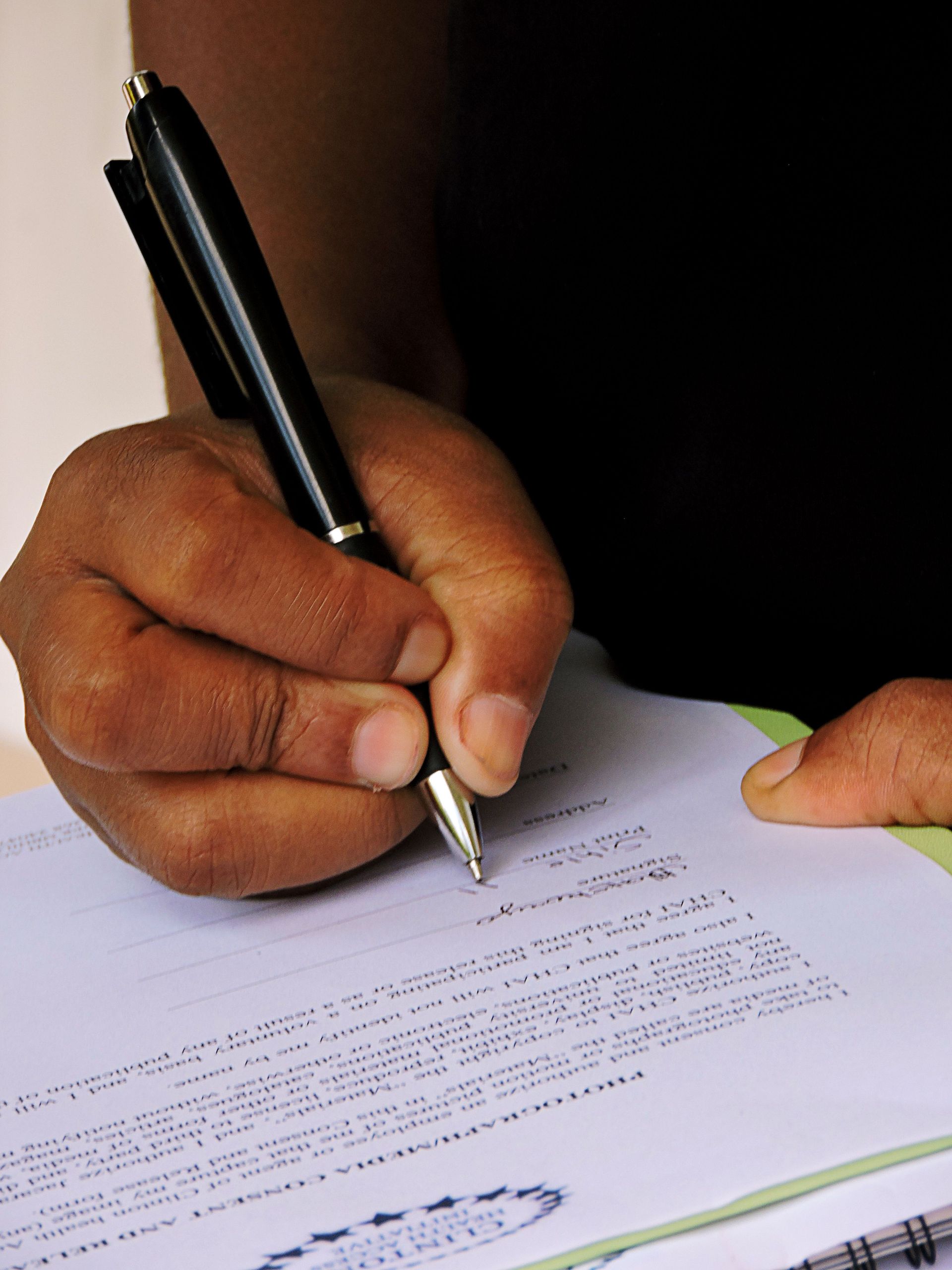
The notarization process involves checking identification against the name on the document, confirming the signer understands what they are signing and acts voluntarily, and recording the transaction in a notarial journal before applying the official stamp. Kansas law authorizes notaries to perform acknowledgments, administer oaths and affirmations, witness signatures, and certify document copies for use in legal and financial proceedings.
Schedule a notary appointment to authenticate business agreements, tax representation forms, or official affidavits during your next office visit.
What Kansas Notarization Standards Require
Kansas statute requires that notaries verify signer identity through state-approved government identification such as driver's licenses or passports before applying the official seal. The notary examines the photo, expiration date, and signature on the ID to confirm it matches the individual requesting notarization, then documents the transaction with the date, document type, and identification method used in a bound notarial journal that creates a permanent record.
After notarization, the document carries a completed notarial certificate with the notary's signature, commission expiration date, and official Kansas impression seal. This seal makes tampering immediately visible and provides courts or financial institutions with proof that an authorized state officer witnessed the signing. The journal entry creates a traceable verification trail if questions arise later about when or how the document was executed.
Kansas notaries operate under statewide authority and can notarize documents anywhere within Kansas boundaries. The service does not include legal advice, document drafting, or interpretation of contract terms—the notary acts solely as an impartial witness to the signing process and identity verification.
What Business Owners Ask About Notary Services
What documents typically require notarization?
Business formation filings with the Kansas Secretary of State, commercial lease agreements, corporate resolutions, powers of attorney for tax representation, real estate deeds, and financial affidavits used in lending or litigation all commonly require notarial authentication to establish legal enforceability.
How does a notary verify my identity?
Kansas notaries accept current government-issued photo identification cards including driver's licenses, state ID cards, military IDs, and passports that display your photograph, signature, physical description, and an expiration date showing the credential remains valid at the time of notarization.
Can a notary notarize a document if I've already signed it?
The signer must sign in the physical presence of the notary unless Kansas remote online notarization technology is used, which requires audio-visual connection and identity verification through secure credential analysis during a live session monitored by the commissioned notary.
What happens if a notarized document contains blank spaces?
Notaries in Kansas City cannot notarize documents with blank fields in critical areas such as names, dates, or financial amounts, as this creates opportunity for unauthorized changes after the notarial seal is applied and undermines the fraud prevention purpose of the notarization.
Why is a notary important for tax-related forms?
The IRS and Kansas Department of Revenue require notarized powers of attorney and certain financial affidavits to confirm that authorized representatives have legitimate permission to access tax records or negotiate on behalf of businesses and individuals during audits or payment arrangements.
Notary services support both routine business documentation and specific compliance requirements, with questions typically focused on what the notary can verify and what forms of identification Kansas law accepts.
Gold Leaf Tax Services integrates notary services directly into business formation, tax preparation, and compliance workflows, eliminating the need to locate separate notary providers when finalizing official filings. Arrange notarization during your scheduled appointment to complete state registrations or tax representation authorizations in one visit.